
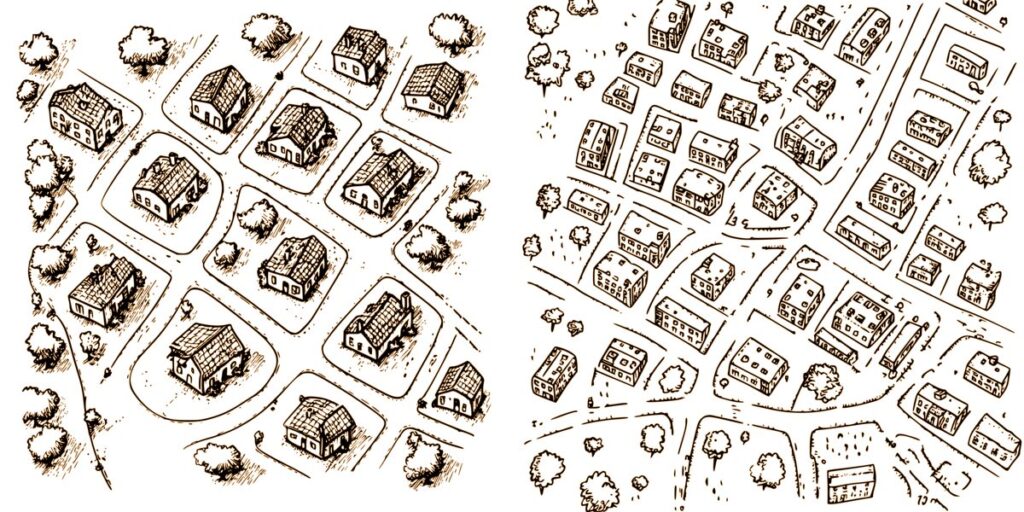
Monsey, nestled in the greater Spring Valley region of Rockland County, NY, is more than just a town on the map. For generations, it has been a place where history, tradition, and community spirit intertwine, shaping a neighborhood that radiates warmth and character. As a longtime resident and local history enthusiast, I invite you to discover the extraordinary story of Monsey—one that continues to unfold with each passing year.
The Origins of Monsey: From Pastoral Beginnings
Long before Monsey became synonymous with vibrant culture and close-knit community, it was a quiet, wooded area inhabited by the Munsee band of the Lenape people. In fact, the very name “Monsey” stems from the Munsee tribe, a testament to their original stewardship of these lands. The word “Munsee” means “People from Minisink,” referencing their ancestral home in the Delaware River Valley. Over time, the name naturally morphed to “Monsey,” preserving a fragment of the area’s earliest history.
In the 18th and 19th centuries, as European settlers arrived, the region became part of the Town of Ramapo. Dutch and English families established farms and mills, taking advantage of the region’s fertile soil and woodlands. Monsey Road, still a local thoroughfare, traces its roots back to these early days, originally a stagecoach route connecting small hamlets.
Key Historical Milestones
- 1841: The Erie Railroad Arrival
The most transformative milestone in Monsey’s early development was the completion of the Erie Railroad in 1841. The Monsey railroad station quickly became the heart of the growing settlement. This rail link connected Monsey to New York City, attracting new residents and businesses, and turning it into a modest but thriving hub.
- Post-WWII Population Growth
The decades following World War II brought a wave of suburbanization to Rockland County. Families seeking space and tranquility found Monsey’s tree-lined lanes and rolling hills irresistible. Streets like Maple Avenue and West Maple Avenue sprouted new homes, and the once-rural landscape took on suburban charm.
- The Arrival of the Orthodox Jewish Community
The most defining chapter in Monsey’s modern history began in the 1950s and 1960s, as Orthodox Jewish families, many from Brooklyn and New York City, moved to the area. Notably, Rabbi Shraga Feivel Mendlowitz and Rabbi Joel Teitelbaum, leaders of the Jewish educational and Hasidic movements, played key roles in establishing religious schools and congregations that seeded today’s thriving Orthodox community. With time, Monsey became a beacon for families seeking both spiritual life and suburban living, leading to the growth of Jewish day schools, yeshivas, and synagogues—many of which can be found along Route 306, College Road, and Viola Road.
Notable Landmarks and Historic Sites
Though Monsey has changed immensely over the decades, echoes of its past remain for all to see:
- Monsey Cemetery (Route 306)
Established in the 1800s, this cemetery is a peaceful reminder of the neighborhood’s early residents, both Jewish and non-Jewish. It stands as a testament to the generations who shaped Monsey’s story.
- The Former Monsey Railroad Station
While the original station building is no longer operational, its site near the intersection of Monsey Boulevard and the railroad tracks is still remembered as a focal point of the old village.
- Rockland Community College (237 College Road)
Opened in 1959, this educational institution marked a new era for Monsey and all of Spring Valley, providing opportunities for higher learning and community events that have brought locals together for generations.
- Viola Park
Nestled at the crossroads of Monsey and Suffern, Viola Park is a cherished green space for sports, family gatherings, and community picnics—serving as an oasis amid Monsey’s busy streets.
- Barnes and Noble/Old Mill Complex (Rockland Plaza)
Before becoming a popular shopping plaza, this area housed one of Monsey’s oldest working mills. Today, its transformation mirrors Monsey’s own balance of tradition and progress.
Streets That Tell Stories
Monsey’s streets are more than asphalt and addresses—they’re ribbons of history that reveal the neighborhood’s journey:
- College Road – Once farmland, now lined with schools, synagogues, and bustling family homes.
- Maple Avenue – A thoroughfare dotted with century-old trees, reflecting the neighborhood’s enduring tranquility.
- Route 59 – Evolved from a rural route to a commercial artery, lined with kosher bakeries, markets, and Judaica shops that serve as community anchors.
- West Maple Avenue – Known for historic homes and proximity to Rockland Community College, it is a living link to every phase of Monsey’s growth.
The Evolution of Community Life
Monsey’s evolution has always been shaped by the dreams and diligence of its residents. From humble beginnings, it has blossomed into a dynamic center of Jewish life, renowned for its educational institutions, vibrant worship, and charitable organizations. The neighborhood hosts dozens of synagogues (shuls), including the famed Viznitz and Satmar congregations, which draw thousands each week.
Monsey’s renowned kosher restaurants, bustling shops, and bakeries—such as those along Main Street and Route 59—draw visitors from throughout the tri-state area. Yeshiva learning centers and community organizations offer support and fellowship, fostering a sense of belonging that transcends backgrounds and generations.
Annual celebrations, such as Purim parades and Lag BaOmer gatherings in Viola Park, showcase Monsey’s deep roots and strong communal ties. In every season, you’ll see residents greeting one another with warmth, helping neighbors, and honoring the traditions that make Monsey so distinct.
Looking Forward: Monsey’s Continuing Legacy
Through all its changes, Monsey has remained true to its heritage—a neighborhood proud of its past and excited for its future. New generations continue to infuse fresh energy into community life, even as they cherish the customs and friendships that have defined Monsey for over a century.
As you walk through Monsey—down Maple Avenue’s quiet stretches, past the busy schools on College Road, or through the bustling markets of Route 59—you become part of an ongoing story. It’s a place where history lives not just in books, but in every handshake, every holiday, and every neighbor’s smile.
Monsey, with its unique heritage and vibrant present, is a neighborhood like no other. It welcomes all who appreciate the beauty of tradition and the promise of tomorrow.